Introduction
In today's culinary landscape, whipped cream is more than just a topping; it's a vital component that raises desserts, beverages, and even tasty meals. Whether you're whipping up a delightful café-style drink or an abundant dessert, the right tools can make all the difference. Enter whipped cream dispensers and battery chargers-- tools created for accomplishing that best fluffy texture. However have you ever wondered about the materials utilized in these devices? This article dives deep into https://nitrouswhip.com.au/ The Pros and Cons of Various Materials Utilized in Whip Cream Dispensers and Chargers We'll explore whatever from stainless-steel to plastic, offering insights into how these materials impact efficiency, toughness, safety, and even environmental implications.
Understanding Cream Chargers
What Are Cream Chargers?
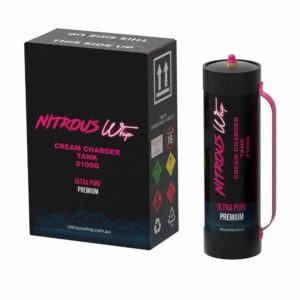
Cream battery chargers are small metal cylinders filled with nitrous oxide (N ₂ O), commonly referred to as "Nangs" or "Nossies." They function as the propellant for whipped cream dispensers, enabling quick and simple whipping of cream or other liquids.
How Do Whipped Cream Chargers Work?
When you insert a cream charger into a whipped cream dispenser and press the lever, laughing gas is released into the liquid. This gas infuses air into the cream, developing that characteristic fluffiness all of us enjoy.

The Significance of Material Selection
Why Material Matters in Whipped Cream Dispensers
Different materials provide differing levels of durability, heat resistance, ease of cleansing, and aesthetics. Choosing the ideal product can impact your user experience significantly.
Overview of Common Materials Used
Stainless Steel Aluminum Plastic GlassLet's examine each product in detail.
Stainless Steel Dispensers
Benefits of Stainless Steel
- Durability: Stainless steel is known for its strength and resistance to rust. Heat Resistance: It withstands high temperatures without warping. Aesthetic Appeal: The shiny finish provides a professional look.
Drawbacks of Stainless Steel
Despite its numerous advantages, stainless steel does have some drawbacks:
- Weight: It can be heavier than other materials. Cost: Higher initial investment compared to plastic options.
Summary Table: Stainless Steel Pros & & Cons
|Pros|Cons|| -------------------------|------------------------|| Extremely durable|Can be heavy|| Resistant to rust|More costly|| Attractive appearance||
Aluminum Dispensers
Advantages of Aluminum
Aluminum dispensers offer an appealing alternative:
- Lightweight: Simpler to deal with than stainless steel. Cost-effective: Normally less expensive than stainless steel models.
Disadvantages of Aluminum
However, aluminum has its own set of cons:
- Less Durable: Prone to dents and scratches. Corrosion Danger: Not as resistant to rust as stainless steel.
Summary Table: Aluminum Pros & & Cons
|Pros|Cons|| -------------------------|------------------------|| Light-weight|Less durable|| Affordable|Prone to corrosion|
Plastic Dispensers
Overview of Plastic Material
Plastic dispensers are frequently marketed as entry-level alternatives for casual users.
Benefits of Plastic
- Affordability: Incredibly affordable. Variety: Readily available in many colors and designs.
Drawbacks of Plastic
Nevertheless, there are compromises:
- Durability Issues: Most likely to break or crack. Heat Sensitivity: Can warp under high temperatures.
Summary Table: Plastic Pros & & Cons
|Pros|Cons|| -------------------------|------------------------|| Inexpensive|Less durable|| Range available|Can warp under heat|
Glass Dispensers
Advantages of Glass Material
Glass is less typical but uses unique advantages:
- Non-reactive surface area: Doesn't alter flavors. Aesthetic Quality: Provides a timeless look.
Disadvantages of Glass
On the other side:
- Fragility: Much easier to break compared to metal or plastic. Weight Concerns: Heavier than plastic options.
Summary Table: Glass Pros & & Cons
|Pros|Cons|| -------------------------|------------------------|| Non-reactive|Delicate|| Aesthetic appeal|Heavy|
The Durability Consider Whip Cream Dispenser Materials
Why Sturdiness Matters?
A long lasting dispenser guarantees long-lasting use without jeopardizing efficiency over time.
Comparisons Between Materials
When comparing durability:
Stainless steel wins hands down for longevity. Aluminum tends to lose structural stability over time. Plastic is prone to breaking under stress. Glass might shatter quickly if dropped.Safety Considerations with Various Materials
Health Effect Concerns
Certain materials might respond with food compounds or release hazardous chemicals when warmed or damaged:
Stainless steel is normally considered safe. Some plastics may leach chemicals at high temperatures. Aluminum needs to be anodized for more secure food contact surfaces.Environmental Ramifications on Material Choices
Sustainability Factors
When selecting products for whip cream dispensers:
Stainless steel is recyclable however has a higher carbon footprint during production. Aluminum is lightweight however needs substantial energy for extraction. Plastic contributes significantly to ecological waste unless recycled properly.Price Comparison Throughout Various Materials
Initial vs Long-Term Costs
While plastic choices are cheap upfront:
They might require replacement faster than metal equivalents which use durability despite their higher initial cost.Use this cost comparison table for reference:
Price Contrast Table
|Product|Average Price Range|| -----------------|-----------------------|| Stainless-steel|$30 - $100|| Aluminum|$20 - $60|| Plastic|$10 - $30|| Glass|$25 - $75|
Maintenance Requirements by Material Type
Cleaning Procedures
Different materials need differing care regimens:
Stainless steel can typically go through dishwasher cycles. Plastic requirements mild cleansing due to prospective scratching. Glass should be dealt with delicately during washing.User Experience: A Matter of Preference
Personalization Opportunities
While some chefs prefer the aesthetic appeals or weight circulation provided by stainless-steel: Others enjoy the lightness discovered in aluminum or plastic designs-- eventually making it a subjective option based on individual needs!
Conclusion: Making Your Choice
In summary, selecting between various materials used in whip cream dispensers boils down to priorities such as toughness versus weight or cost-effectiveness versus visual appeal! As we have actually dissected this subject thoroughly throughout earlier areas concerning pros/cons throughout various types-- it's essential that consumers assess their particular requirements before deciding on which type lines up finest with them!
FAQs about Whip Cream Dispensers and Chargers
Q1: What are N2O cream chargers used for?
A1: N2O cream chargers are primarily used as propellants in whipped cream dispensers for developing fluffy textures quickly and efficiently.

Q2: Are laughing gas cream chargers safe?
A2: Yes, when utilized according to manufacturers' standards they're generally thought about safe; however misuse can lead to health threats connected with inhalation or incorrect handling!
Q3: How do I clean my whip cream dispenser?
A3: Generally speaking-- it's recommended hand washing all parts except those significant dishwasher-safe utilizing warm soapy water followed by extensive rinsing!
Q4: Where can I buy whip cream chargers?
A4: You can buy whipped cream chargers from local kitchen area supply stores online merchants specializing in culinary tools-- or perhaps from some supermarkets!
Q5: Exists any difference in between numerous brands?
A5: While the majority of brand names operate similarly-- there might be variations concerning quality assurance consistency which might influence efficiency reliability long term!
Q6: Can I refill my nitrous oxide cartridges?
A6: No-- it's not a good idea nor safe; once empty cartridges should be gotten rid of properly according local policies regarding contaminated materials disposal methods!